3 hr
Jasper Wildlife Watch: Morning or Evening Tour
Search for native animals across Jasper's valleys and mountain landscapes on a guided coach expedition
Reserve
Hand-picked by our editors — only the best 5 experiences from 18 reviewed.
Verified partners for every tour, free cancellation where available, and instant confirmation on every booking.
3 hr
Search for native animals across Jasper's valleys and mountain landscapes on a guided coach expedition
Reserve
6 hr
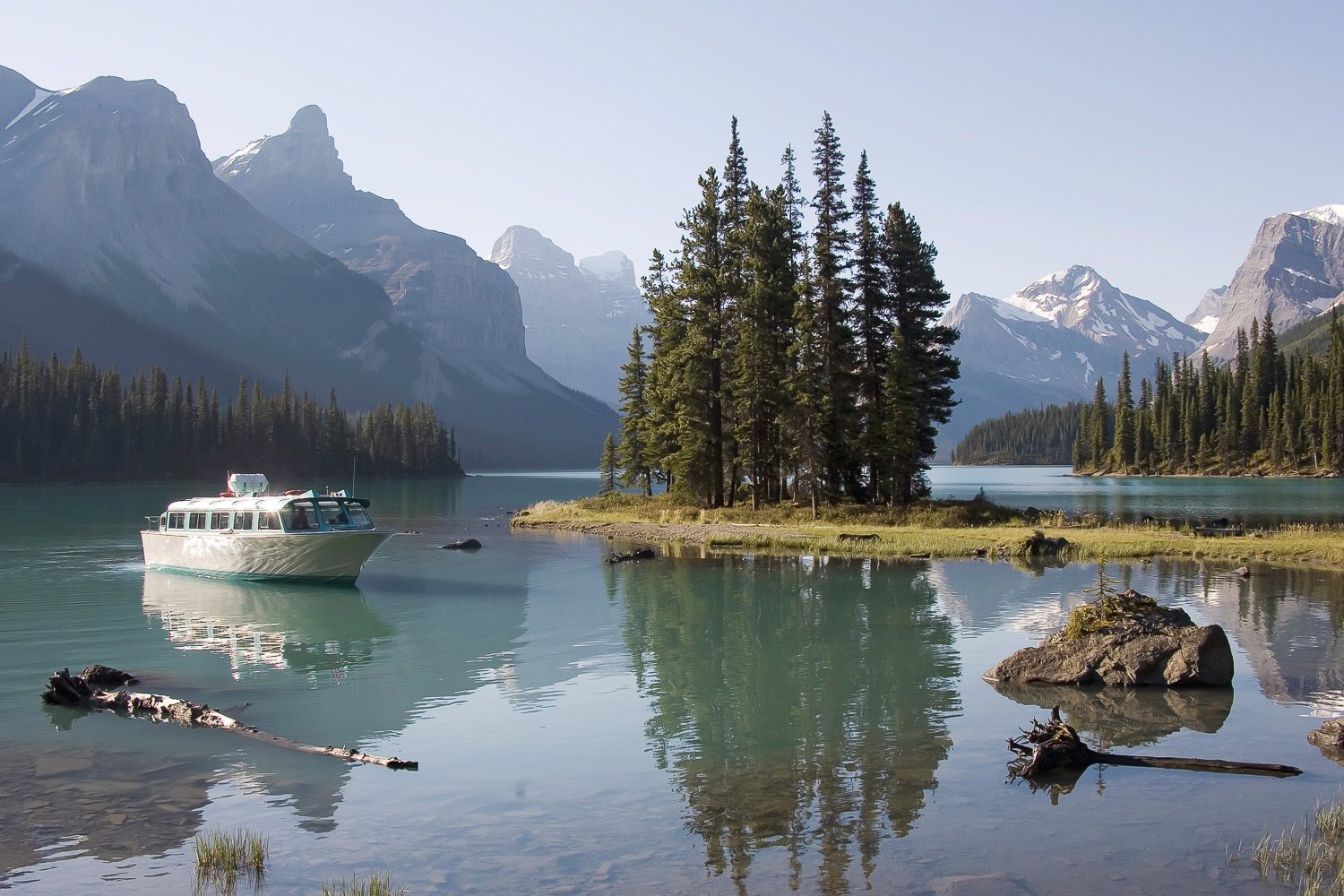
Six-hour journey through Jasper's wilderness with a boat trip to Spirit Island and prime wildlife viewing
Reserve
6 hr
Explore Jasper's stunning Maligne Valley by minibus, spot wildlife, and hike the shores of iconic Maligne Lake.
ReservePrices from verified partners. Availability updates in real time at checkout. Free cancellation policies apply where shown.
The landmarks, rooms, and views travelers on this tour remember — all visible on a single visit.
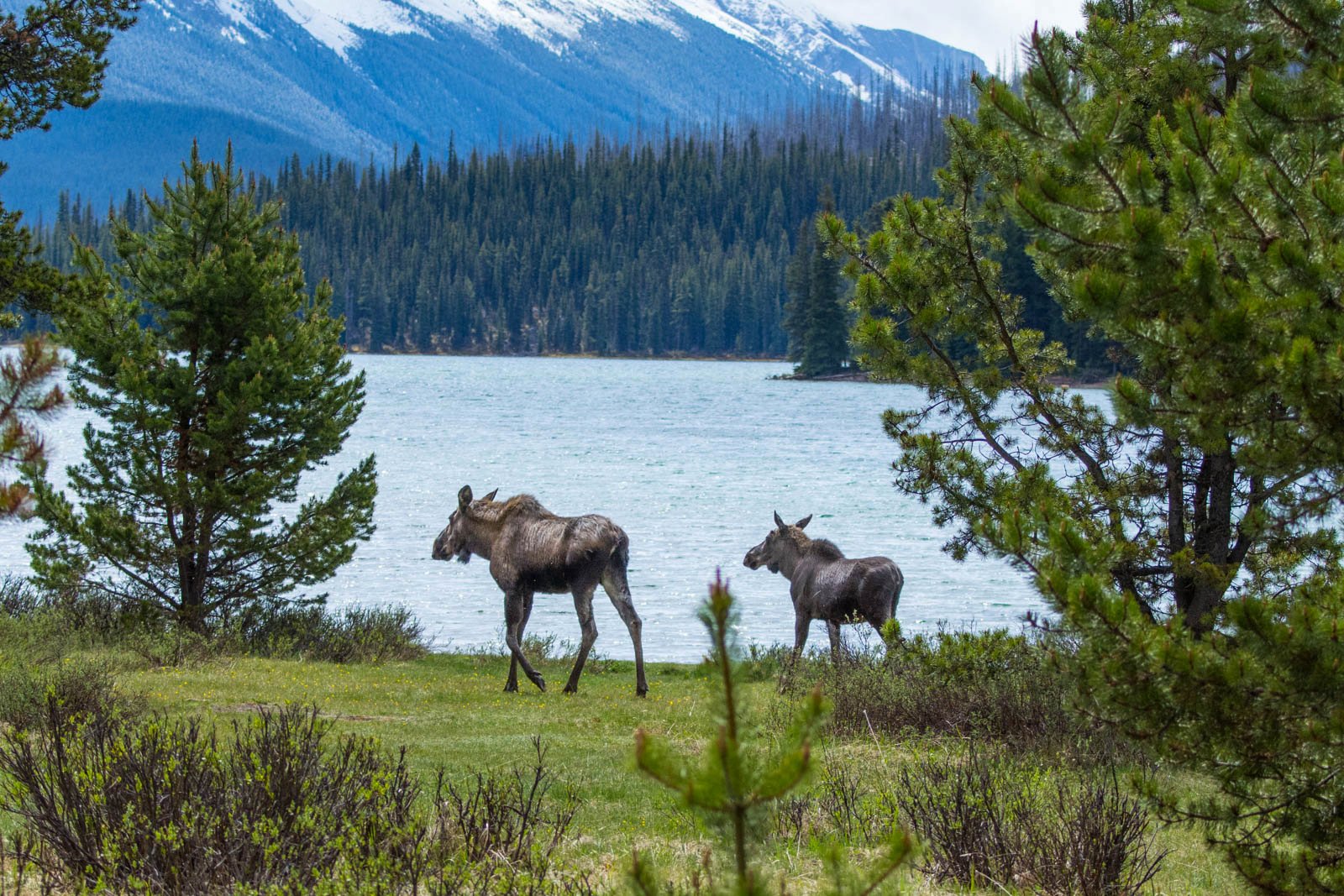
This 45-kilometer valley road serves as a primary travel route for grizzly bears and moose. Over 20 species of mammals regularly cross this corridor, making it a critical habitat area for wildlife tracking.
This elevated viewpoint provides a broad perspective over the river flats where elk congregate. The gravel bars below are mineral-rich, attracting up to 50 bighorn sheep at a time during the spring.
This basin drains completely each autumn through a complex underground cave system. The exposed lakebed attracts bald eagles and osprey searching for trapped trout in the shallow pools.
This elevated plateau features a mix of pine forests and small lakes that shelter nesting loons. More than 100 bird species have been recorded here, making it a prime location for telephoto avian photography.
Dense spruce forests lining this road offer shelter to elusive pine martens and black bears. The route rises to an elevation of 1,600 meters, creating distinct microclimates where alpine plants and mammals thrive.
Before purchasing your jasper wildlife photography tour tickets, consider your main goals for the trip. Standard Jasper photography excursions focus on general sightseeing, while dedicated photography outings prioritize learning how to capture the landscape. If you want a private feel, a jasper wildlife photography tour tour provides the personal guidance needed to dial in your camera settings. Booking the right option ensures you match your skill level with the tour structure, especially since one option places you on a large group coach with limited guide access, while the other puts you in a small vehicle focused entirely on your portfolio.
| Feature | Top pick Jasper Photo Tours | SunDog Tours |
|---|---|---|
Group size |
Max 2 photographers | Up to 28 passengers |
Focus of the tour |
Camera settings and wildlife spotting | General sightseeing and animal spotting |
Vehicle type |
Standard vehicle (opening windows) | Mini-coach bus |
Hands-on instruction |
✓ | — |
Free companion option |
✓ | — |
Price |
CA$315 (summer) | From CA$79 (summer) |
| See tickets → |
Verdict: Choose the jasper wildlife photography tour tours if you want hands-on coaching to adjust your shutter speed and telephoto lens, whereas SunDog is ideal for budget-conscious families looking for a relaxed scenic drive.
Choose your ticket, select your date, and reserve in under two minutes. Secure checkout handled by our verified partner.
Instant confirmation by email, with a mobile voucher you can save offline. No printing, no queuing at a collection desk.
Arrive at the entrance, show your voucher on your phone, and walk in. Most tickets include priority or skip-the-line access.
Practical details for your visit straight from our verified partners — hours, access, rules, and how to get there.
608 Patricia Street, Jasper, AB T0E 1E0, Canada
Located in the downtown commercial district, with parking available nearby.
Drive along the Yellowhead Highway (Highway 16) directly into the Jasper townsite, then head to Patricia Street. Parking is available in public lots.
Take the VIA Rail train or regional shuttle buses from Edmonton or Calgary directly to the Jasper railway station, situated a short walk from the office.
If staying within the downtown core of Jasper, walk along Patricia Street to reach the meeting point.
Layered outdoor clothing is required to adapt to rapidly changing mountain weather. Wear sturdy, closed-toe hiking shoes or boots with good traction for walking on uneven terrain. Avoid bright, neon-colored clothing that might startle wild animals during observation.
Guests are responsible for carrying their own gear in secure, weather-resistant backpacks. Ensure all lens caps, filters, and small accessories are zipped away safely to prevent littering in the national park. Security screenings are not conducted, but guides inspect equipment for compliance with safety distances.
On a Jasper Wildlife Photography Tour, having the correct settings ready is essential. Use a fast shutter speed to freeze animal movement and keep your aperture wide open to isolate subjects. Tripods are recommended for low-light conditions at dawn and dusk.
Vehicles used during the photo tours are not equipped with wheelchair lifts. Some walking on unpaved, gravel, or dirt trails is required to reach prime viewpoints. Guests with limited mobility should contact the operator beforehand to arrange a customized route.
Mobile phones must be switched to silent mode during wildlife viewing sessions to prevent sudden noises. Cellular service is highly unreliable in remote valley areas. Use phones primarily for secondary wide-angle shots or navigation apps.
Children are welcome on private excursions, but group tours are tailored for participants who can maintain quiet and patience. Strollers are not permitted on the dirt trails. Parents must ensure children remain close and do not disrupt the animal tracking process.
Pack light snacks like energy bars and bring a refillable water bottle to stay hydrated. Eating is restricted to designated vehicle stops to avoid attracting carnivores. All food waste must be packed out and disposed of in bear-proof bins.
Pets are strictly prohibited on these excursions due to national park regulations and safety concerns near predators. Service animals may be restricted in specific zones where wildlife is active. Do not leave animals inside parked vehicles under any circumstances.
Participants must sign a standard liability waiver before boarding the tour vehicle. Sightings of specific species like grizzly bears or moose are never guaranteed. The tour operates in rain, snow, or sunshine, so prepare your gear for wet conditions.
608 Patricia Street, Jasper, AB T0E 1E0, Canada
Located in the downtown commercial district, with parking available nearby.
Get directionsBest time to go, insider tips, nearby landmarks, and the cancellation fine print — flip through to skim what matters to you.
How crowds, weather, and events shift across the year.
May brings melting snow and emerging black bears in the valleys. Temperatures average 5 to 15 degrees Celsius, making morning layers essential for early shoots.
June to August offers long daylight hours and opportunities to capture elk with calves. High temperatures reach 22 degrees Celsius, and trails are busiest during this peak travel season.
September and October bring the dramatic elk rut and golden aspen foliage. The annual Dark Sky Festival in October attracts astrophotography enthusiasts seeking clear night skies.
November to April transforms the landscape into a snowy wilderness ideal for tracking wolves and coyotes. Temperatures routinely drop below minus 10 degrees Celsius, requiring specialized thermal gear for cameras.
Small details that turn a good visit into a great one.
The best arrival window is 06:00–09:00 for optimal shooting conditions. Early morning offers the best soft light and peak wildlife activity before the sun creates harsh shadows.
Ensure you have purchased your national park pass beforehand. The entrance fee is 12.25 CAD daily per adult, which is not covered in the tour price.
Bring a waterproof cover for your camera and lenses. Sudden alpine rain or snow can damage electronics during outdoor tracking sessions.
Autofocus can struggle when shooting through dense pine branches. Practice switching to manual focus to lock onto subjects hidden in the brush.
Always follow your guide's instructions regarding distance. Approaching animals too closely is illegal under park regulations and endangers both you and the wildlife.
Cold mountain air drains lithium-ion batteries rapidly. Keep spare batteries in an inner jacket pocket close to your body heat to preserve their charge.
Non-bookable sights within a short walk — free to visit, easy to pair.
A cable car ascending Whistlers Mountain to provide views of six mountain ranges and the Athabasca river valley.
A scenic lake at the foot of Pyramid Mountain, featuring a wooden footbridge leading to a small, forested island.
A deep limestone canyon with rushing waterfalls, footbridges, and interpretive trails exploring the geological formations.
A glacier-fed lake with sandy shores, popular for paddleboarding and framing reflections of the surrounding peaks.
Flexible, no hidden fees.
Cancellations for the Jasper Wildlife Photography Tour must be made at least 24 hours before the scheduled departure to receive a full refund. The 12.25 CAD daily national park entry fee per adult is non-refundable through the tour operator and must be handled separately with Parks Canada.
Hand-picked options within walking distance — pick a district for vibe, or a specific hotel for convenience.
A historic cabin-style resort spread across 700 acres along the shores of Beauvert Lake, featuring upscale dining and a golf course.
A comfortable hotel located in the heart of downtown Jasper, featuring a rooftop hot tub and on-site pub.
An affordable hostel offering private rooms and dorms, with a shared kitchen and gear storage.
Jasper National Park shelters the largest concentration of large mammals in the Canadian Rockies: 277 elk counted in the Athabasca Valley alone during the 2023 winter survey, alongside resident populations of bighorn sheep, mountain goats, black bears, and an estimated 109 grizzlies across 11,000 square kilometres of protected wilderness. The park's fauna density, paired with strict vehicle speed limits and designated wildlife corridors, has made it a magnet for nature photographers since the 1980s, when Parks Canada began formal monitoring of roadside animal sightings. A jasper wildlife photography tour capitalizes on two ecological advantages: the Maligne Valley's funnel geography, which concentrates migratory herds along a narrow glacial trough, and the seasonal rhythms of ungulate movement between valley floors and alpine meadows. Guides trained in animal behaviour patterns track recent sightings via radio networks shared among outfitters, adjusting routes in real time to intercept elk herds at dawn grazing zones or position clients near known grizzly foraging sites during berry season. The tours operate year-round, but spring and autumn offer the highest probability encounters — calving season in May draws bears to newborn elk, while September's rut brings bull elk into open meadows for territorial displays. Photographers value Jasper's soft northern light, which peaks during the extended golden hours of high-latitude summer mornings. The park's glacial lakes — Maligne, Medicine, Pyramid — provide mirror surfaces for reflection shots when wind speeds drop below five kilometres per hour, a condition forecasters track daily. Most wildlife photography tours in Jasper include optics: spotting scopes and telephoto stabilization mounts are standard, and some outfitters supply camera bodies with 400mm lenses for clients without long-reach glass. The emphasis is patient field craft rather than safari volume; three-hour tours typically yield eight to twelve quality sightings, with guides coaching composition techniques between encounters. Maligne Valley expeditions often pair wildlife tracking with access to Spirit Island, a glacial islet in Maligne Lake photographed more than any other landmark in the Canadian Rockies. The 90-minute boat cruise crosses 14 kilometres of turquoise water, passing osprey nests and occasional caribou on the shoreline. Guides narrate glacier retreat rates — the Maligne Valley's ice has receded 1.8 kilometres since 1908 — and point out geological features: striated rock faces, terminal moraines, and the valley's U-shaped profile carved by Pleistocene ice sheets. Combined tours allow photographers to capture both charismatic megafauna and landscape grandeur within a single outing, maximizing the park entry fee.
"The Maligne Valley's funnel geography concentrates migratory herds along a narrow glacial trough, creating predictable encounter zones for patient observers."
A step-by-step walkthrough of the visit — what you'll see, how long each stage takes, and the details that matter.
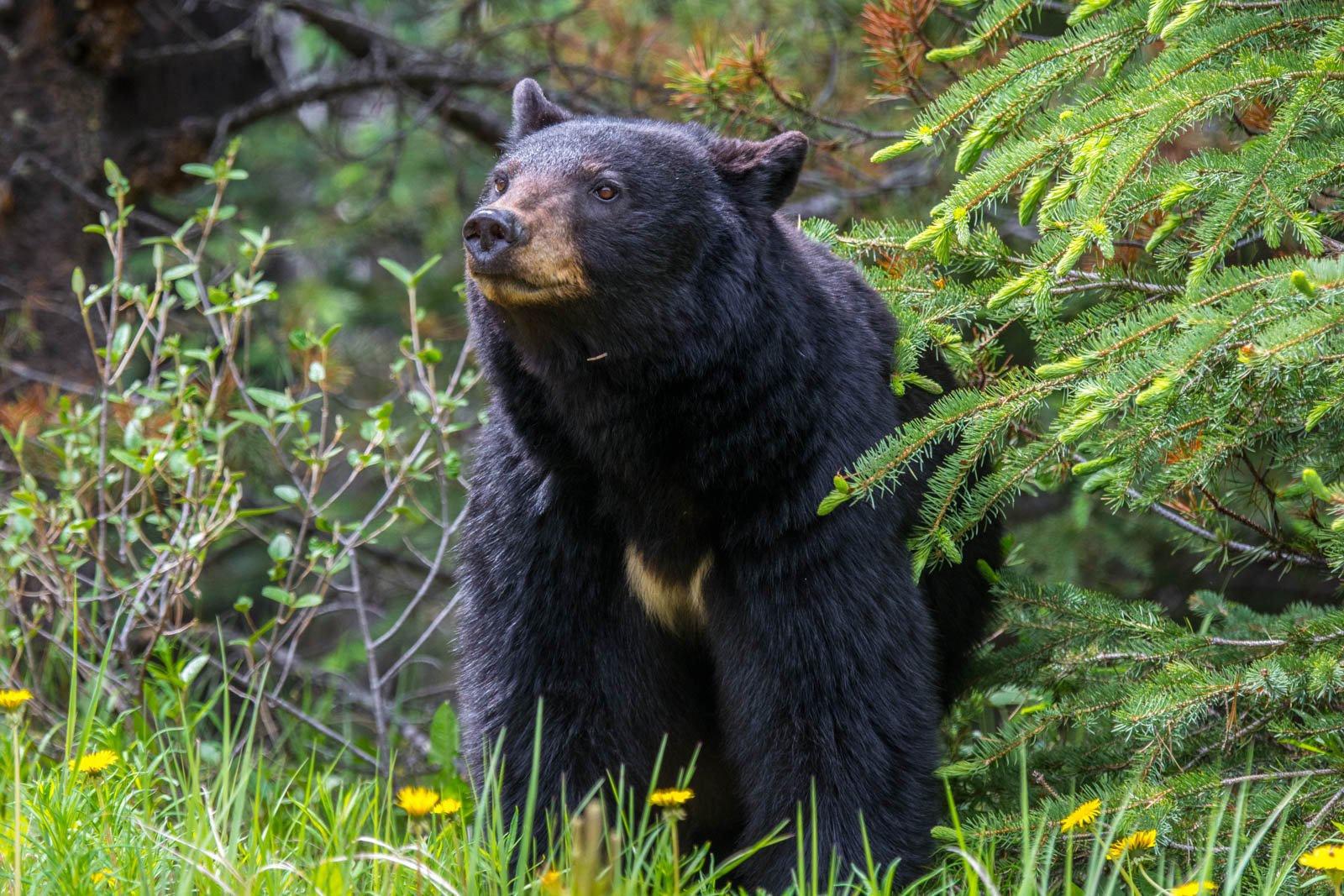
You meet your guide at 608 Patricia Street in downtown Jasper before sunrise, boards a 12-seat van equipped with roof hatches and swivel mounts for telephoto lenses. The drive into Maligne Valley begins in pre-dawn darkness, headlights catching the green eyeshine of deer along Highway 16. Your guide briefs you on the morning's route: a loop through Medicine Lake's drained lakebed, where elk congregate on exposed sediment flats, then upvalley toward the Maligne Lake trailhead, a known grizzly corridor during August's huckleberry flush. The first stop comes 40 minutes in. A cow elk and her calf graze 60 metres from the roadside pullout, backlit by the rising sun. You steady your camera on the van's window frame, adjusting shutter speed to freeze the calf's ear twitch while the guide watches for herd movement through binoculars. Fifteen minutes pass. The light shifts from rose to gold. You fire 30 frames, experimenting with depth of field as the guide explains the herd's spring migration pattern from lower valleys. Farther upvalley, your guide spots a black bear foraging in a talus field. You dismount for tripod work, keeping the vehicle between you and the animal per Parks Canada protocol. The bear ignores you, flipping rocks with a single paw to uncover grubs. You capture the motion: claws extended, fur rippling, mountain backdrop sharp in morning clarity. The session yields 80 images before the bear retreats into the forest, and your guide logs the sighting coordinates for the afternoon crew.
A telephoto lens with a focal length of at least 300mm is recommended for a Jasper Wildlife Photography Tour to capture distant animals safely.
The best arrival window is 06:00–09:00, as early morning offers the best soft light and peak wildlife activity for this guided Jasper photo safari.
No, park entry fees are not included. The entrance fee is 12.25 CAD daily per adult, which must be purchased directly from Parks Canada before starting your Jasper Wildlife Photography Tour tour.
Yes, beginners can easily join a Jasper National Park wildlife photo excursion. The guides tailor their instruction to your skill level.
You can reserve your spot on the official site at https://www.jasperphototours.com/ or by calling +17809314373 to purchase your Jasper Wildlife Photography Tour tickets.
A Canadian Rockies wildlife viewing tour frequently yields sightings of elk, bighorn sheep, mule deer, and coyotes.
The Jasper Wildlife Photography Tour operates in rain, snow, or shine, as overcast skies often create atmospheric shooting conditions.
Yes, transportation is included in the Jasper nature photography trip, with pickups from the office at 608 Patricia Street, Jasper, AB T0E 1E0, Canada.
A tripod is highly recommended for a Jasper photography workshop, particularly for low-light morning sessions.
To receive a full refund for a Jasper Wildlife Photography Tour, cancellations must be made at least 24 hours before your scheduled departure.