English| EUR
Suggested for you
More currencies
Choose a language
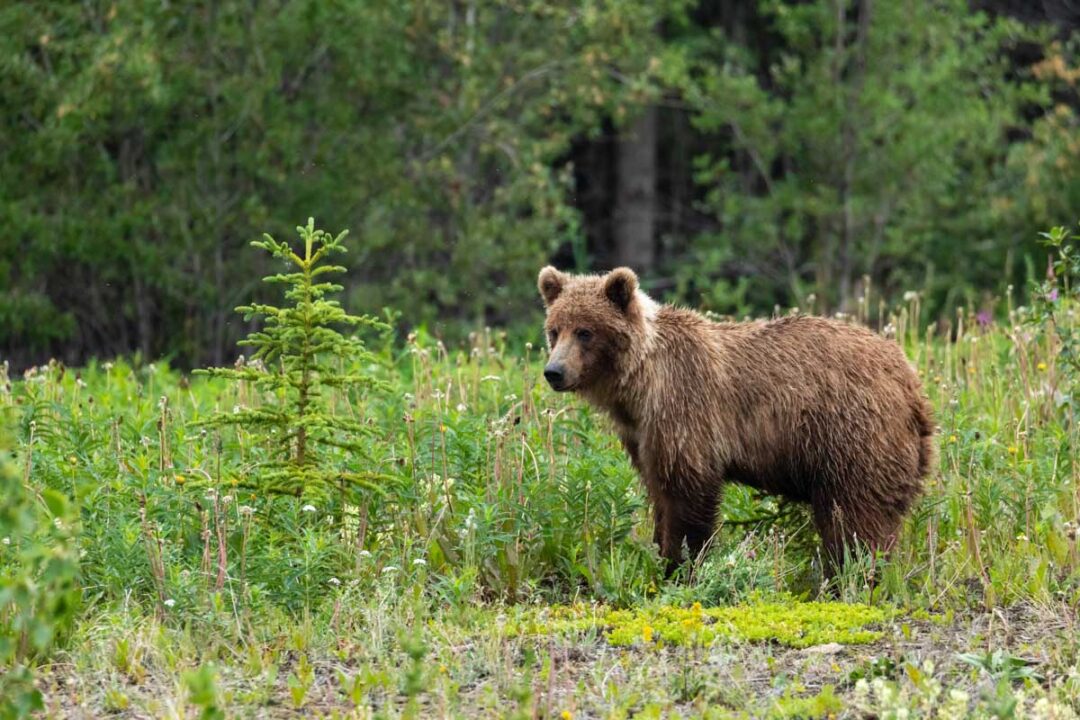
Jasper National Park shelters one of the densest populations of grizzly and black bears in the Canadian Rockies, with roadside sightings concentrated along predictable travel corridors. The park's 11,000 square kilometers contain roughly 109 grizzlies and a larger black bear population, both drawn to valley bottoms during berry season and avalanche-slope foraging windows. This guide maps the corridors where bear activity peaks, the hours that yield the highest encounter rates, and the distances Parks Canada requires you to maintain.
Quick answer
The highest-probability bear viewing locations in Jasper are the Icefields Parkway between Sunwapta Pass and the Columbia Icefield, Maligne Lake Road's first 20 kilometers, and the Athabasca River valley floor along Highway 16 east of the townsite. Arrive between 05:00 and 08:00 during May through October for peak roadside activity. Grizzlies favor open avalanche slopes and wet meadows; black bears concentrate near berry patches and aspen stands. A daily park admission fee of 12.25 CAD per adult is required.
Jasper's bear population follows elevation and food availability with clockwork precision. Grizzlies emerge from dens in late April and descend immediately to valley-bottom avalanche slopes where winter snowslides have exposed overwintered vegetation—roots, horsetail, and early sedges that provide the protein deficit bears carry out of hibernation. Black bears, smaller and more adaptable, wake two weeks earlier and range through mixed forest where aspen catkins and dandelions appear first. The Icefields Parkway corridor between Sunwapta Pass and Athabasca Falls consistently delivers the park's most reliable grizzly sightings. Open slopes on both sides of the highway create natural viewing theaters where bears forage in full view of pullouts, particularly the avalanche fans below Mount Kerkeslin and the wetlands surrounding Horseshoe Lake. Maligne Lake Road, especially the stretch between Maligne Canyon and Medicine Lake, sees concentrated black bear activity during June and July when saskatoon and buffaloberry ripen on sun-exposed hillsides. Highway 16 east toward Pocahontas offers mixed encounters—grizzlies on the river flats, black bears in roadside aspen groves. Timing governs success. Early morning from 05:00 to 08:00 captures bears before human activity and midday heat push them into cover. Late evening from 19:00 to 21:30 brings a second activity window, though shorter daylight in spring and fall compresses it. Peak bear viewing in Jasper spans mid-May through late June when protein-rich vegetation dominates their diet, and again in August when berry crops mature. By September grizzlies shift to higher elevations for whitebark pine nuts; black bears remain lower but grow wary as hyperphagia—pre-hibernation feeding—intensifies their caution. Parks Canada enforces a mandatory 100-meter distance from bears, with the Athabasca River valley floor and Maligne Road subject to seasonal closures when sow grizzlies den or forage with cubs. Violating these buffer zones triggers fines starting at 150 CAD and risks habituating bears to human presence, a pattern that historically ends in relocation or destruction. Jasper National Park is open year-round, with the 12.25 CAD daily admission providing access to all public roads and marked pullouts. Contact Parks Canada at +1-780-852-6176 for current wildlife activity reports and road status before planning a bear-viewing drive.
“Grizzlies emerge from dens in late April and descend immediately to valley-bottom avalanche slopes where winter snowslides have exposed overwintered vegetation.”
Everything you need to know about where to see bears in jasper national park
The most reliable routes to spot grizzly and black bears are Maligne Lake Road and the Icefields Parkway. Safe pull-offs along these corridors allow visitors to scan the valley slopes and open meadows where animals forage. Keep a safe distance of at least 100 meters at all times.
Booking a professional excursion increases your chances of spotting grizzly bears in Jasper as guides know daily wildlife patterns and habitats. They navigate the most active viewing corridors and provide high-quality binoculars for safe observation.
The best arrival window is 05:00–08:00 as early morning offers the highest probability of bear sightings along roadsides. Dusk is also a very active period, but early mornings generally have less traffic on the mountain highways.
You must remain inside your vehicle when observing roadside wildlife and carry bear spray if walking on trails. Parks Canada requires maintaining a minimum distance of 100 meters from bears, wolves, and cougars. Never feed any wildlife, as food-conditioned animals pose a major risk to public safety.
Yes, a valid national park entry permit is required for any travel or wildlife viewing along the highway corridors. The standard daily park admission fee per adult is 12.25 CAD.
Spring and early summer are ideal because bears descend to the valley bottoms to feed on fresh vegetation near the roads. As the summer progresses, they move to higher elevations to forage for berries, making them harder to spot.
Many people crowd the animals or stop unsafely on the highway shoulders, which causes traffic hazards and stresses the wildlife. Always pull fully off the road and use telephoto lenses or binoculars to observe them from a respectful distance.
Jasper Private Wildlife Tours
Read more Tickets & toursJasper Wildlife Discovery Tours
Read more Tickets & toursJasper Evening Wildlife Tours
Read more Tickets & toursJasper Wildlife Photography Tours
Read more GuideWhere to See Wildlife in Jasper
Read more Tickets & toursJasper Winter Wildlife Tours
Read more