Jasper Wildlife Tour
Wildlife Viewing Guide

Where to See Wildlife in Jasper

Jasper National Park spans 11,000 square kilometers of montane forest, alpine tundra, and glacial valleys — habitat for six large mammal species and hundreds of smaller ones. This guide maps the zones, seasons, and hours when sightings shift from luck to likelihood.

10 min read Updated 2026-08-19 Fact-checked
Where to See Wildlife in Jasper

Quick answer

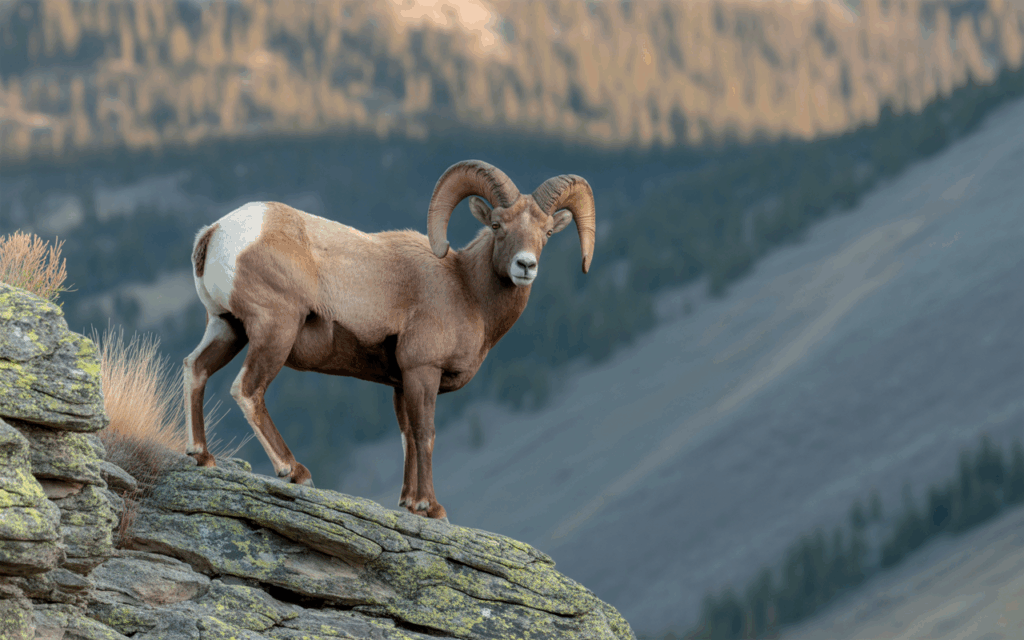
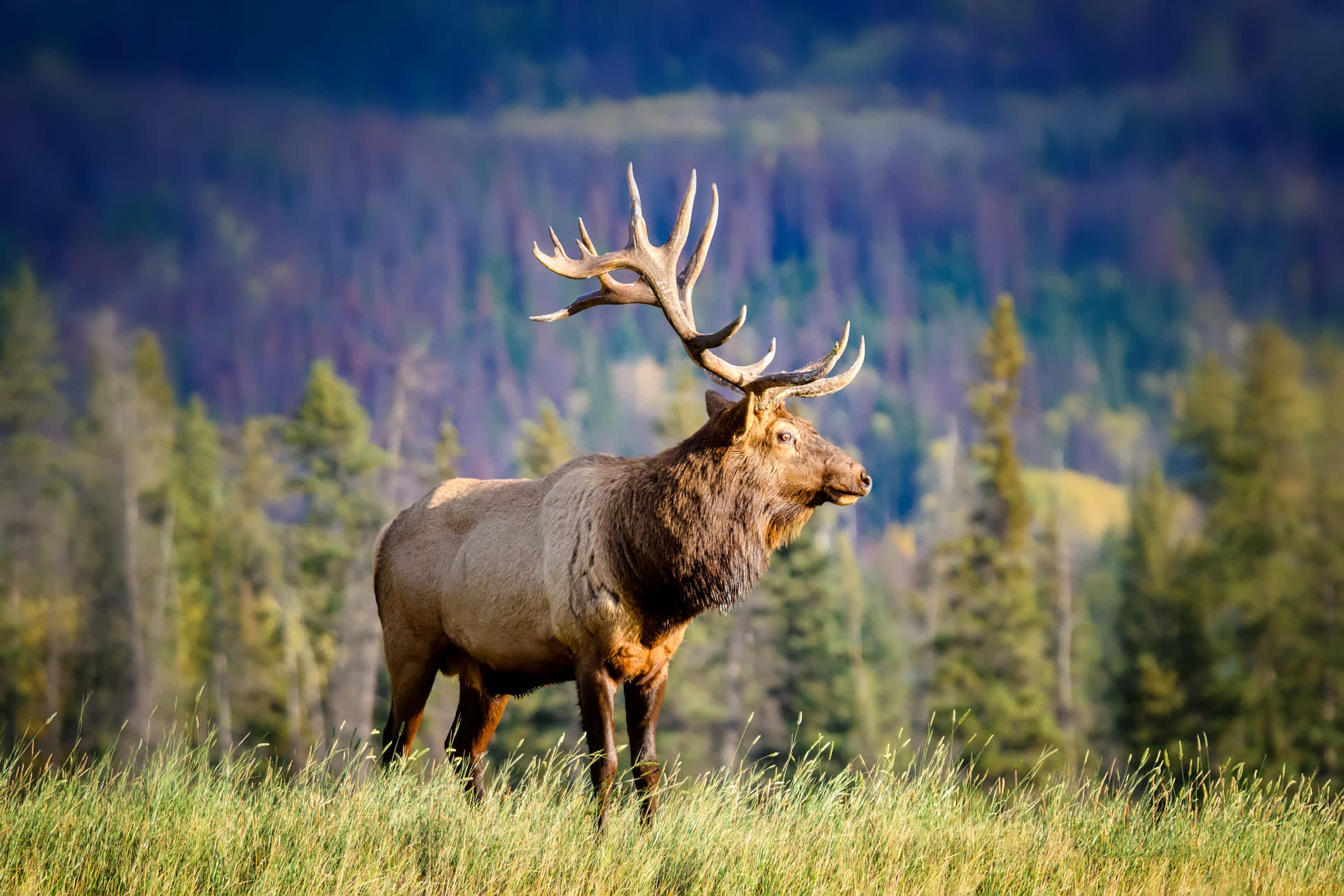
The most reliable wildlife viewing in Jasper happens along valley-floor corridors at dawn and dusk. Elk graze near the Athabasca River and town outskirts year-round. Black bears and grizzlies forage in roadside meadows from May through October. Bighorn sheep cluster on rocky slopes along the Icefields Parkway, especially near Mount Kerkeslin and Disaster Point.

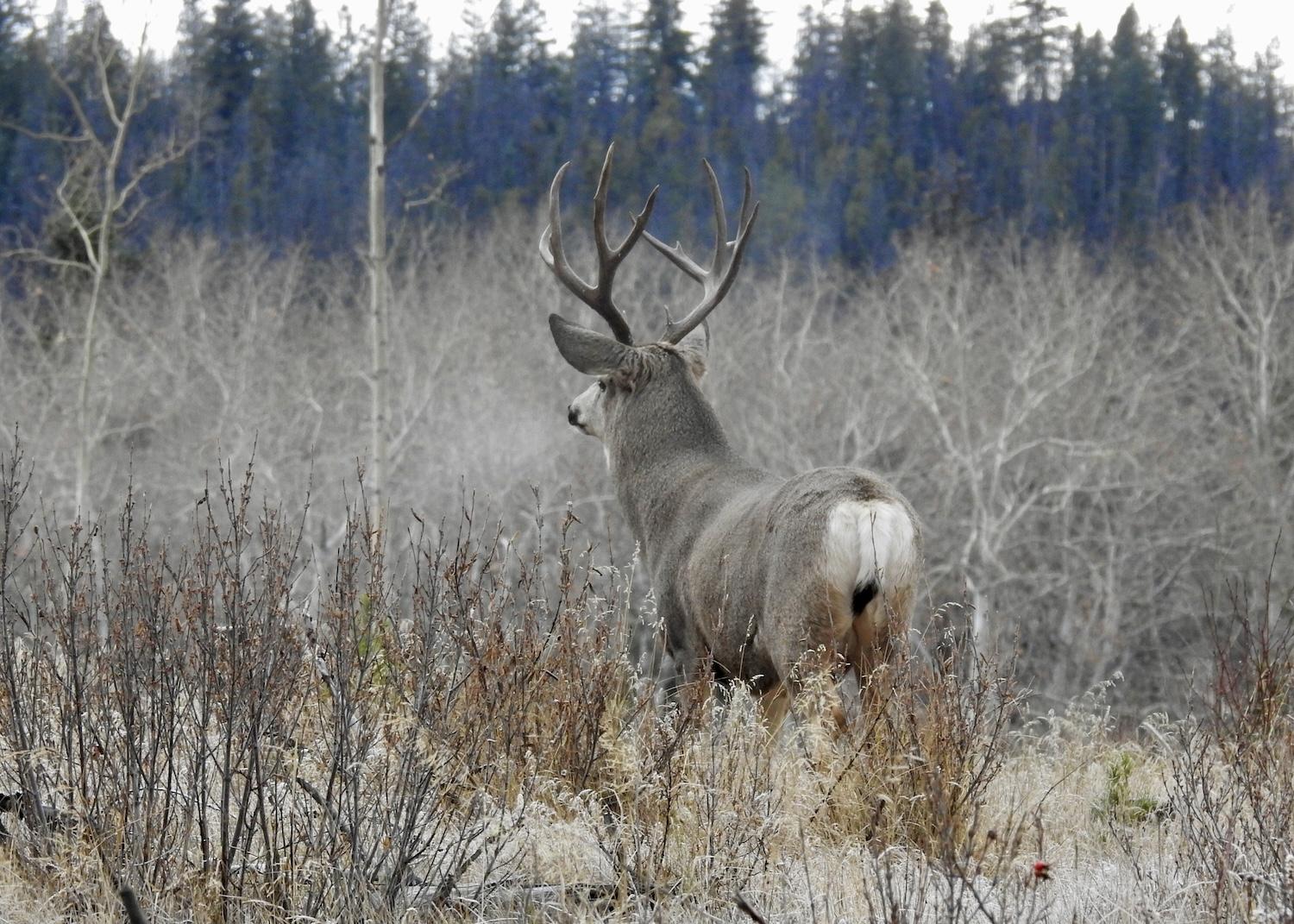
A bull elk standing in morning mist along the Athabasca River is not a stroke of luck — it is the predictable result of terrain, season, and hour aligning. Jasper's wildlife concentrations follow elevation, forage cycles, and human disturbance patterns that repeat year after year. Valley floors between Jasper townsite and the Icefields Parkway hold the park's densest prey populations, which in turn anchor predator ranges. Elk herds of thirty or more graze the flats near Old Fort Point and the golf course from September through May, moving to higher alpine basins only in summer heat. Black bears emerge in April and work berry patches and wetland edges through autumn, often visible from pullouts along Highway 93A and Maligne Lake Road. Grizzlies favor the upper Athabasca and Sunwapta valleys, foraging avalanche slopes where early-season vegetation is richest. Bighorn sheep are site-faithful: the same rock faces near Mount Kerkeslin and the east slope of Disaster Point host bands of ewes and rams throughout the year, rarely moving more than a few hundred meters. Where to see wildlife in Jasper depends less on covering distance than on matching your timing to animal activity windows. Mammals are crepuscular — most active in the two hours after dawn and before dusk — because midday heat and human traffic push them into cover. A 6:00 AM drive down the Icefields Parkway in June yields more sightings than a full afternoon loop. Seasonal behavior layers onto daily rhythm: spring brings newborns and concentrated feeding; autumn rut draws elk into open valleys; winter forces all species to lower elevations where snow is shallow enough to dig through. The park's 1,200 kilometers of road and trail create the viewing infrastructure, but animals set the schedule. Caribou, once common, are now functionally extinct in Jasper's ranges — a reminder that presence is never guaranteed. Moose, by contrast, occupy willow thickets along the Maligne and Miette rivers in stable numbers but remain among the hardest species to spot due to their solitary, cover-loving nature. Viewing Jasper's wildlife well means reading the landscape as the animals do: knowing which slopes green up first, where salt licks concentrate ungulates, and which corridors offer both food and escape terrain within a few bounds.

“A bull elk standing in morning mist along the Athabasca River is not a stroke of luck — it is the predictable result of terrain, season, and hour aligning.”
What to see

Top Roads and Viewpoints: Where to See Wildlife in Jasper

Jasper National Park features several highway corridors and roadside viewpoints where native animals frequently congregate. Driving these routes at slower speeds provides opportunities to observe species ranging from valley-dwelling elk to high-altitude mountain goats.

Maligne Lake Road

Maligne Lake Road

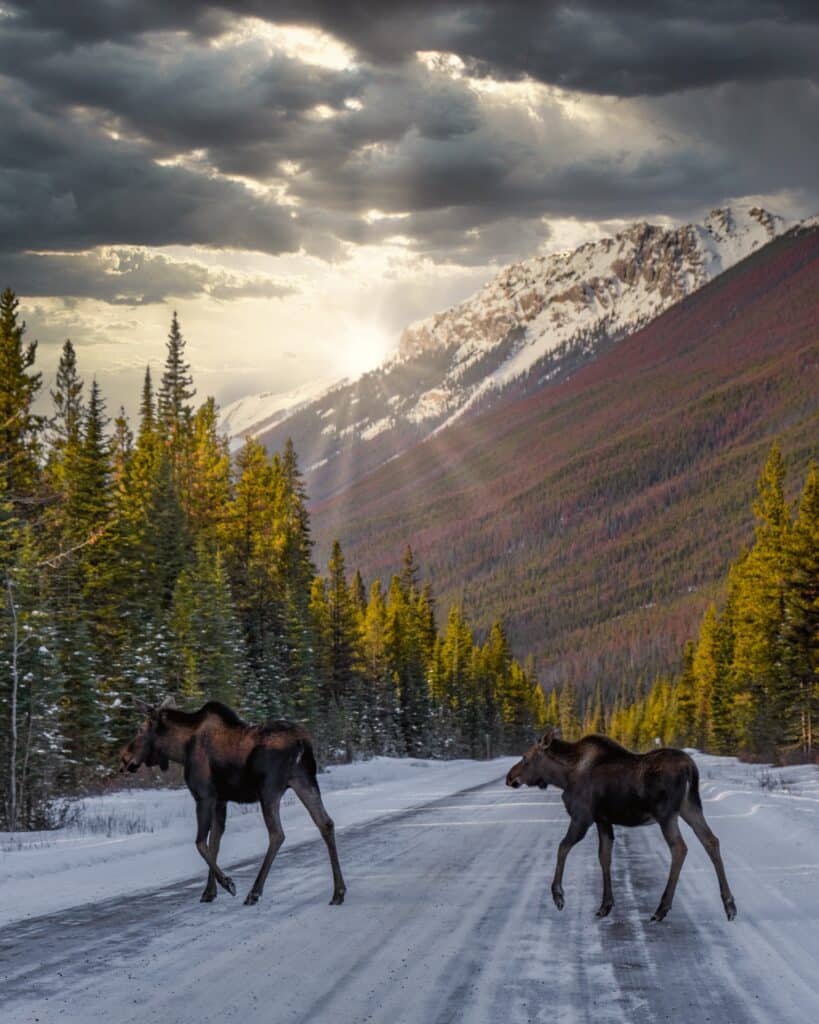
This 46-kilometer mountain road winds through glacier-carved valleys where black bears, grizzly bears, and moose are frequently seen feeding in the roadside vegetation and wetlands. Areas around Medicine Lake and the Maligne River flats offer some of the most reliable habitats.

Drive slowly past Medicine Lake early in the morning for moose.
Goats and Glaciers Lookout

Goats and Glaciers Lookout

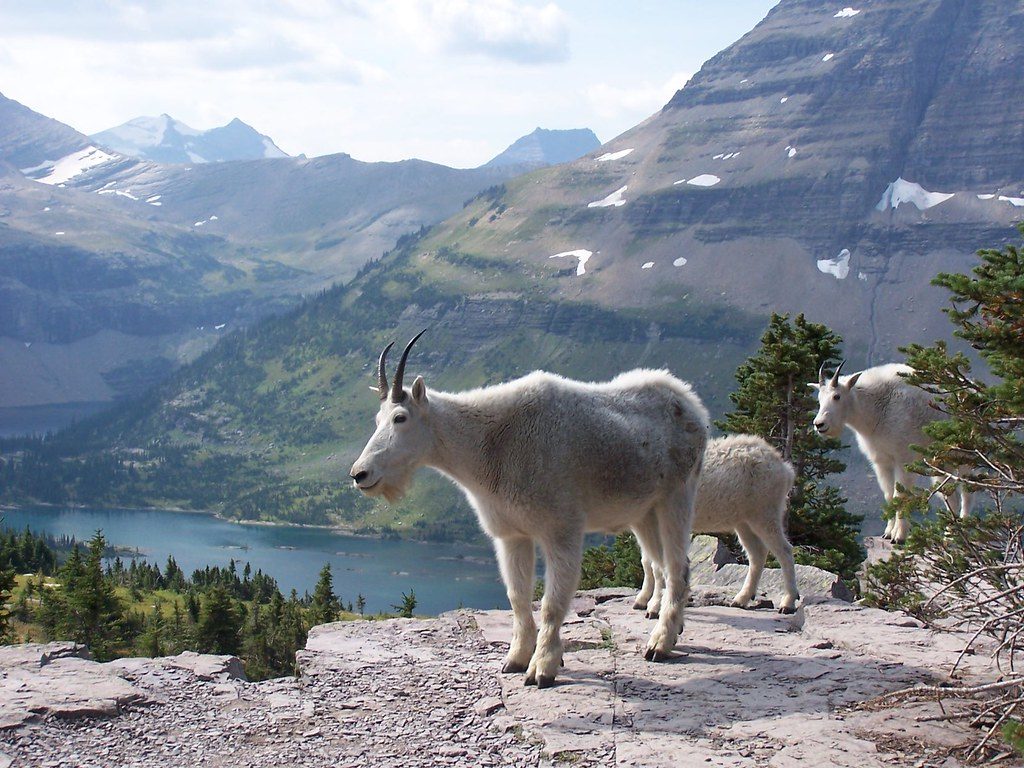
Perched above the Athabasca River along the Icefields Parkway, this roadside viewpoint overlooks silt-rich clay cliffs. Mountain goats climb down these steep banks to lick essential minerals from the soil.

Look down at the riverbanks, not just at the distant mountains.

Disaster Point

Disaster Point

Located on Highway 16 East, this rocky outcrop serves as a natural mineral lick that attracts herds of Rocky Mountain bighorn sheep. The animals often stand directly on the road shoulder or scale the nearby limestone cliffs.

Scan the rocky cliffs above the highway if none are roadside.

Pyramid Lake Road

Pyramid Lake Road

Climbing from the Jasper townsite up to the Pyramid Bench, this forested road is a primary wintering and calving range for elk. Deer, coyotes, and the occasional black bear also frequent the lakeside woods and nearby trailheads.

Watch the roadside aspen groves during late afternoon and early evening.

Timing

Optimal Hours and Seasons: Where to See Wildlife in Jasper

The best window for wildlife viewing is the early morning dawn from 06:00 to 09:00, when animals are active and park traffic remains low. Evening twilight offers another productive period as temperatures drop and wildlife returns to open clearings.

Dawn (06:00–09:00)

Minimal traffic and quiet corridors

This morning window provides the highest animal activity as wildlife grazes near corridors before midday heat. Avoiding the midday rush allows for peaceful observation.

Spring (April to May)

Moderate visitor volume

5°C to 15°C, variable snow

Bears emerge hungry from hibernation to forage in lower valley bottoms. You can also spot newborn elk calves and sheep.

Fall (September to October)

High visitor counts near townsites

0°C to 15°C, occasional rain

Male elk engage in the active rutting season, bugling and competing for harems in open meadows. Temperatures drop quickly, pushing wildlife into lower elevations.

Winter (December to February)

Lowest annual visitor numbers

-15°C to -5°C, cold winds

Wolves are highly visible against the snow pack as they hunt prey in the valleys. Cold temperatures concentrate elk and deer in accessible low-elevation areas.

Verdict: For optimal viewing with low crowds, visit on mid-week mornings from 06:00 to 09:00 during May or September.

Itinerary

A Perfect One-Day Driving Route: Where to See Wildlife in Jasper

This route suits early risers with a vehicle and covers roughly 10 hours including driving, stops, and a midday break. You'll target dawn activity along Maligne Lake Road, rest during the quiet midday hours, then catch evening movement on the Icefields Parkway.

06:00

Maligne Lake Road Dawn Run

Drive the 44 km stretch slowly, scanning roadside meadows and wetlands for elk, moose, and black bears. Budget 90 minutes with frequent pull-offs.

08:00

Medicine Lake Shoreline Walk

Park at Medicine Lake and walk the eastern shore for 30 minutes—watch for osprey, bighorn sheep on slopes, and grazing deer. Bring binoculars.

09:30

Jasper Townsite Breakfast Break

Return to town for a meal and restroom stop; wildlife activity drops sharply by mid-morning. Use this window to refuel.

13:00

Start Icefields Parkway Southbound

Depart Jasper on Highway 93 South, keeping speed low and eyes on roadside forest edges and avalanche slopes. Caribou and grizzlies favor open terrain here.

16:30

Goats and Glaciers Lookout

Pull into this viewpoint 18 km south of town to scan the cliffs across the valley for mountain goats; late afternoon light makes white coats easier to spot. Spend 20 minutes scanning with optics.

18:00

Return Drive to Jasper

Head north as the sun drops—this is prime time for deer and elk near the road. Drive cautiously and watch for animals stepping onto pavement.

Etiquette

Safety Rules and Keeping a Respectful Distance

Parks Canada enforces strict wildlife viewing regulations to protect both animals and visitors. Violating distance rules carries fines up to $25,000.

Do

  • Stay at least 100 meters from bears, wolves, and cougars at all times
  • Keep 30 meters minimum distance from elk, deer, bighorn sheep, and moose
  • Carry bear spray in an accessible holster when hiking or walking trails
  • Remain inside your vehicle if wildlife approaches on roadways
  • Report aggressive animal behavior to park dispatch immediately at 780-852-6155

Don't

  • Never feed wildlife or leave food accessible in campsites or vehicles
  • Don't approach animals for photos even if they appear calm or accustomed to people
  • Never step out of your vehicle to photograph wildlife on roadsides
  • Don't use calls, sounds, or bait to attract animals closer
  • Don't block roadways or create traffic jams when viewing animals from vehicles
Prices

National Park Admission Fees and Entry Details

Visitors must purchase a Parks Canada pass online or at park gates before driving the local wildlife viewing routes. Prices depend on visitor age, group size, and whether you require a daily or annual pass.

Adult Daily Pass Valid until 4:00 PM the next day.
12.25 CAD
Senior Daily Pass For adults aged 65 and older.
10.75 CAD
Family/Group Daily Pass Up to seven people in one vehicle.
24.50 CAD
Adult Discovery Pass Annual access to all national parks.
83.50 CAD
Family/Group Discovery Pass Annual entry for up to seven people.
167.50 CAD
Youth aged 17 and under receive free admission to all national parks.

Verdict: A typical adult pays 12.25 CAD for a single day, though purchasing an annual Discovery Pass is more economical for stays exceeding six days.

Insider tips

Expert Advice for Spotting Animals Safely

Spotting Jasper's wildlife safely requires patience, sharp observation skills, and proper equipment preparation.

1

Scan the Tree Line

Sweep your eyes across the transition zone between open meadows and dense forest. Animals frequently forage in these edge habitats while remaining close to protective cover.

2

Use Vehicles as Blinds

Keep windows rolled down and turn off the engine when observing from the shoulder. Opening doors or stepping outside will likely cause the animals to flee.

3

Rely on Optical Zoom

Use a telephoto lens or optical zoom rather than digital magnification to capture clear details. This maintains high-resolution photos without needing to move closer.

4

Keep Binoculars Accessible

Keep your binoculars in the vehicle cabin rather than packed in the trunk. They help resolve distant shapes in high-alpine bowls into identifiable sheep or bears.

5

Avoid Creating Traffic Jams

Pull completely onto the shoulder and use hazard lights when stopping. Avoid blocking the driving lane and move along if a backup starts to develop.

6

Listen for Natural Clues

Turn off car audio and roll down windows to hear rustling brush or bird calls. Raven vocalizations or warning chirps often indicate nearby animal activity.

Book

Check availability

Frequently asked

FAQ about where to see wildlife in jasper

Everything you need to know about where to see wildlife in jasper

What are the general areas to explore when deciding where to see wildlife in jasper?

Spotting animals in the park depends on aligning your drive with dawn or dusk activity patterns. The valley corridors and roadsides offer regular sightings of resident herds. Always remain alert while driving near treelines.

Can I book a local jasper wildlife tour?

Yes, booking a local excursion is a great way to let a guide navigate while you search. Local operators track animal movements across the park daily. This option is helpful for visitors unfamiliar with the landscape.

Is there a fee to access the locations where to see wildlife in jasper?

Yes, a park pass is mandatory to access any viewing areas in the park. The daily adult admission is 12.25 CAD. This fee directly supports the preservation of natural habitats and park infrastructure.

What is the recommended time for guided wildlife spotting in Jasper?

The best window is early morning, specifically between 06:00 and 09:00. This is when animals are active and roads are quiet. Late evening is another good window, though light levels are lower.

Which species are most common when planning where to see wildlife in jasper?

Elk and bighorn sheep are the most frequently observed species along the roadways. Grizzly bears, black bears, and moose are also spotted but require more patience. You might also spot coyotes or deer.

Do I need a special permit for photography during Jasper National Park sightseeing?

No special permits are required for personal photography from designated viewpoints. Commercial photography and drone usage, however, are strictly regulated. You must always maintain safe distances while photographing animals.

What safety measures should families follow when choosing where to see wildlife in jasper?

Families should always view animals from the safety of their vehicles. Staying inside ensures a safe distance from large animals like elk and bears. Never offer food to any animals, as this is illegal and dangerous.

Keep reading

More guides & pages